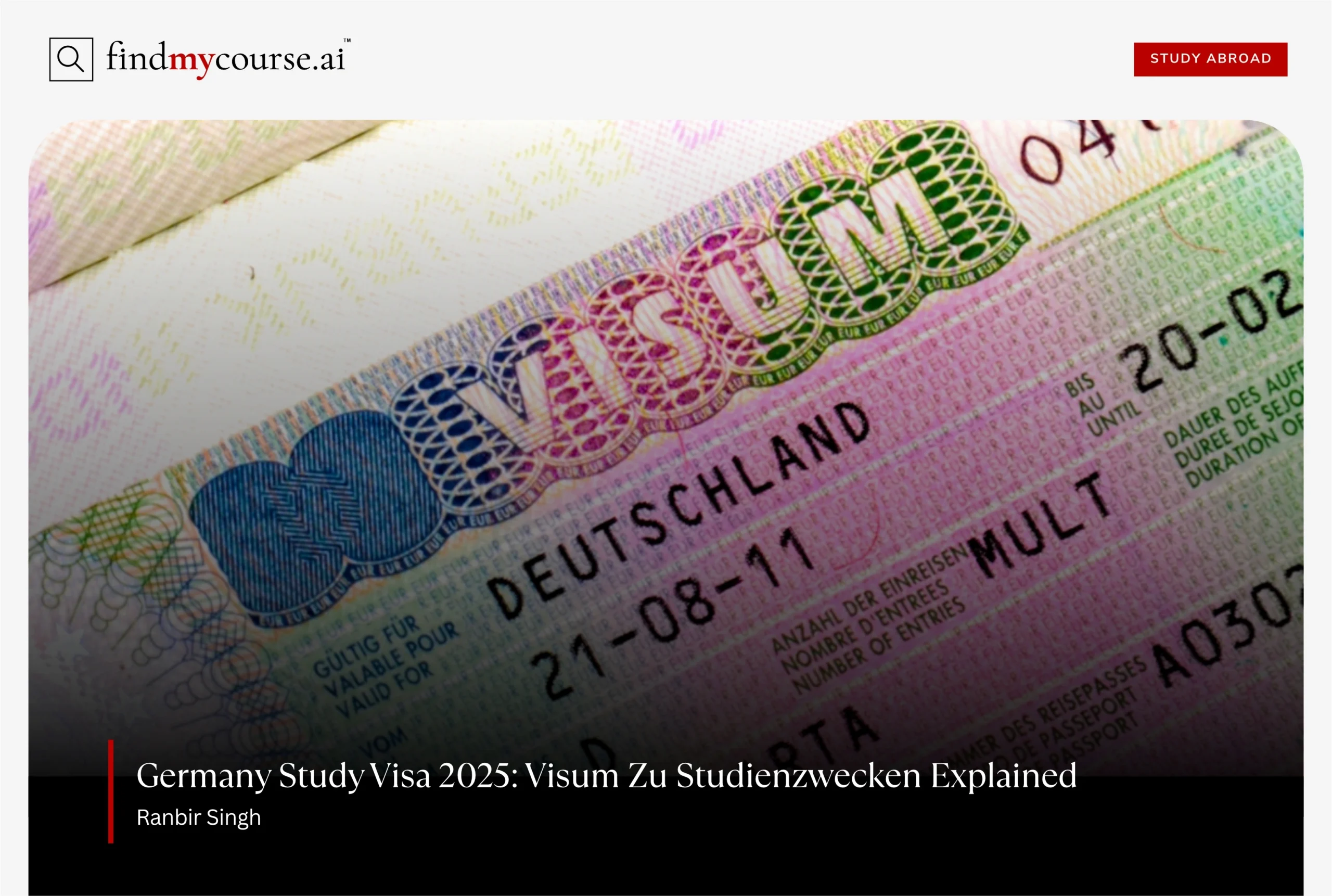
Are you dreaming to study in Germany in 2025? Germany continues to attract thousands of international students with its world-class universities and affordable education. This guide on the Germany study visa, officially called Visum zu Studienzwecken, will walk you through everything—visa process, requirements, living costs, work rights, and clever tips—so you can confidently pursue your academic adventure in Germany.
What Is the Germany Study Visa ?
The Germany study visa, or Visum Zu Studienzwecken, allows non-EU/EEA students to pursue higher education in Germany. It’s designed for those accepted into a German university or preparatory course. Unlike short-term Schengen visas, this is a national (Type D) visa issued for 3 to 12 months to allow entry into Germany. After arrival, it is converted into a residence permit for study (§16b AufenthG), which is usually issued for 1–2 years and extendable. Moreover, it can be extended if your studies require more time. This visa also permits limited work, making it easier to support yourself while you study in Germany.
To qualify, you must secure admission to a recognized German institution. The visa ensures you can immerse yourself in Germany’s academic culture, from historic lecture halls to cutting-edge research labs. However, understanding the specific requirements is crucial to a smooth application process.
Germany Study Visa Requirements: What You Need
Securing a study visa in Germany demands careful preparation. Here’s a breakdown of the key requirements for 2025:
- Valid Passport: valid for the entire intended duration of your stay in Germany and issued within the last 10 years.
- University Admission Letter: Proof of acceptance from a German higher education institution is mandatory.
- Proof of Financial Means: You must demonstrate sufficient funds, at least €11,904 per year (as of 2025), typically via a blocked bank account. This ensures you can cover living costs.
- Health Insurance: A valid health insurance policy, either public or private, meeting German standards is mandatory.
- Language Proficiency: German-taught programs typically require TestDaF level 4 in all sections or DSH-2, while English-taught programs require IELTS or TOEFL only if specified by the university.
- Additional Documents: Include academic transcripts, a motivation letter, and a completed visa application form.
Gathering these documents early streamlines the Germany study visa process. Consequently, double-check each item to avoid delays.
The Germany Study Visa Process: Step-by-Step
Applying for a study visa is straightforward if you follow these steps:
- Secure University Admission: Obtain an acceptance letter from a German institution.
- Gather Documents: Compile all required documents, ensuring they meet embassy standards.
- Book an Appointment: Schedule a visa interview at the German embassy or consulate in your home country. Some countries require booking weeks in advance.
- Pay the Visa Fee: The fee is €75 (2025 rate), non-refundable even if your application is denied.
- Attend the Interview: Be ready to discuss your study plans and provide biometric data.
- Await Processing: Processing takes 6–12 weeks, so apply early—ideally, right after receiving your admission letter.
The German mission forwards your application to the local Aliens’ Authority for approval. Once approved, you’ll receive your visa, allowing entry to Germany. After arrival, register with the local residents’ office within two weeks.
Working While Studying: Opportunities and Restrictions
A major perk of the Germany study visa is the ability to work part-time. In 2025, international students can work up to 20 hours per week during the semester. During semester breaks, full-time employment is permitted. Student assistant roles (HiWi/WiMi) may exceed this limit with approval from the immigration authority. This flexibility helps offset living costs while gaining valuable experience.
| Job Type | Average Wage (€/hour) | Legal Work Limits |
|---|---|---|
| Student Assistant (HiWi/WiMi) | 10–17 | Exempt from 20-hour limit (approval required) |
| Retail / Hospitality | 9–12 | Max. 20 hours/week during semester |
| Mandatory Internship | Varies | Not counted toward work limit |
| Voluntary Internship | 12–18 | Counts toward 20-hour limit |
However, you cannot work full-time or switch to an employment residence permit before completing your studies. After graduation, you may apply for an 18-month residence permit for job seeking (§20 AufenthG) related to your qualification.
Tips for a Successful Visa Application
To maximize your chances of securing a Germany study visa, consider these tips:
- Apply Early: Visa processing can take up to 12 weeks, so submit your application as soon as you receive your admission letter.
- Double-Check Documents: Ensure all documents are complete and meet embassy requirements to avoid rejections.
- Prepare for the Interview: Be ready to explain your study goals and how they align with your career plans.
- Secure Finances: Open a blocked account early to demonstrate financial stability.
- Stay Informed: Check the German embassy’s website for updated requirements or changes in 2025 regulations.
- Follow official sources only: Always verify requirements on the German embassy, Federal Foreign Office, or BAMF websites, as regulations may vary by country.
By following these steps, you’ll navigate the visa process with ease and confidence.
After Arrival: Next Steps
Once you arrive in Germany with your study visa, you must take a few steps to settle in. First, register at the local residents’ registration office (Einwohnermeldeamt) within two weeks. Next, apply for a residence permit at the Aliens’ Authority, which extends your stay beyond the initial visa validity. Additionally, enroll in your university and activate your health insurance. These steps ensure you’re fully compliant and ready to begin your academic journey.
Conclusion
Securing a Germany study visa in 2025 is more than just a bureaucratic step—it’s your gateway to world-class education, personal growth, and a thriving international career. By understanding the visa requirements, following the correct process, and preparing your finances and documents early, you can ensure a smooth transition into your new academic life. Whether you’re captivated by Germany’s innovation, culture, or career opportunities, this visa is your first step toward an unforgettable and transformative journey to study in Germany.
FAQs
- What is the Germany study visa processing time in 2025?
It typically takes 6–12 weeks, depending on your country and application completeness. - Can I work with a study visa in Germany?
Yes, you can work up to 140 full days or 280 half days per year, roughly 20 hours per week during semesters. - What happens if my study visa is rejected?
You can appeal the decision or reapply after addressing the reasons for rejection, ensuring all documents are complete. - Do I need German language skills for the study visa?
For German-taught programs, you need B2-level proficiency (e.g., TestDaf). English-taught programs require IELTS or TOEFL scores. - Can I extend my Germany study visa?
Yes, you can extend it if your studies continue, usually granted for 1–2 years, depending on study progress and remaining program duration.
One thought on “Germany Study Visa 2025: Visum Zu Studienzwecken Explained”
Comments are closed.