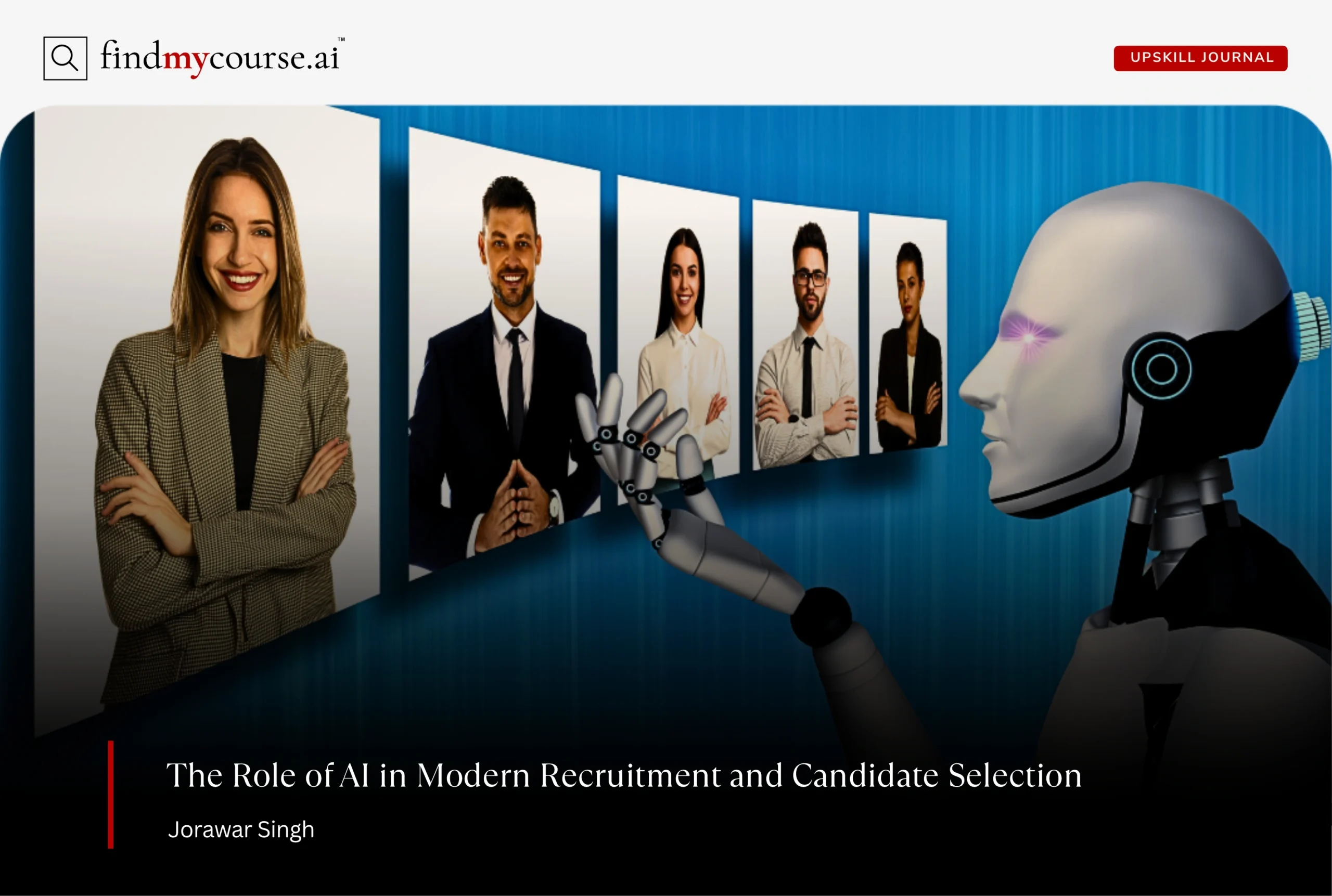
Hiring used to move slowly. Recruiters opened resumes one by one, scanned them for relevant skills, and tried to decide who deserved an interview. As companies started receiving hundreds or even thousands of applications for a single role, that approach stopped working well. Technology stepped in to help, and today many organizations rely on AI in HR to handle the first stages of recruitment.
Artificial intelligence now helps teams scan resumes, identify strong candidates, and shorten the hiring cycle. Instead of drowning in paperwork, recruiters can focus on conversations, culture fit, and better decision-making. This shift does not remove humans from hiring, but it changes how they work. In this article, we’ll explore how AI tools screen resumes, how companies use them to select candidates, and what this means for both recruiters and job seekers.
What AI in HR Really Means
When people hear about artificial intelligence in recruiting, they often imagine robots making hiring decisions. In reality, the idea is simpler. AI in HR refers to software that analyzes data and helps recruiters make faster, smarter choices.
Most hiring tools rely on a few key technologies:
- Machine learning to recognize patterns in hiring data
- Natural language processing to read and understand resumes
- Predictive analytics to estimate candidate fit
These systems can review thousands of applications in minutes. They extract skills, education, certifications, and experience from resumes and organize the information in a structured way.
Common Tools That Support Modern Recruitment:
| Hiring Task | How AI Helps | Popular Tool Example |
| Resume Screening | Scans and filters large numbers of resumes to find qualified candidates. | Greenhouse |
| Candidate Ranking | Scores and ranks applicants based on skills, experience, and job match. | Lever |
| Candidate Chatbots | Answers applicant questions and guides them through the application process. | Paradox (Olivia) |
| Interview Scheduling | Automatically coordinates interview times between candidates and recruiters. | Calendly |
| Talent Pipeline Analysis | Tracks potential candidates and analyzes hiring trends. | LinkedIn Talent Insights |
Instead of replacing recruiters, the technology works as a support system. Recruiters still define job requirements, evaluate culture fit, and make final decisions. The software simply handles the heavy lifting that used to consume hours of manual work.
As hiring demand continues to grow, companies look for ways to reduce delays and improve accuracy. That need has pushed many organizations to experiment with intelligent hiring platforms.
How AI in HR Is Changing Resume Screening
Resume screening often creates the biggest bottleneck in recruitment. A single job posting can attract hundreds of applicants within a few days. Reading every resume carefully takes time that many hiring teams simply do not have.
This is where Artificial Intelligence has made a noticeable impact.
1. Resume parsing
The system starts by reading resumes and extracting structured data. It identifies names, job titles, companies, education, skills, and timelines. The software then organizes everything into a searchable profile.
Recruiters no longer need to open each file individually. They can review candidate summaries in seconds.
2. Job description matching
Next, the tool compares candidate profiles with the job requirements. It checks for relevant skills, years of experience, certifications, and sometimes even industry background.
Instead of guessing who might be a fit, recruiters see candidates ranked based on alignment with the role.
3. Candidate scoring
Many platforms assign a match score. This score reflects how closely a candidate’s profile matches the position. Recruiters can filter applicants using these scores and focus on the most promising group first.
4. Shortlisting
Once the system highlights strong candidates, recruiters review them more carefully. At this stage, human judgment still matters. A resume may look perfect on paper but lack context, motivation, or communication skills.
By handling the repetitive steps, the software frees recruiters to focus on deeper evaluation.
Many companies also connect these tools with Applicant Tracking Systems. This creates a smoother workflow where applications move automatically through different hiring stages.
Benefits of AI in HR for Recruiters and Candidates
Organizations adopt new technology only when it clearly improves results. The growing use of AI in HR comes from several practical advantages.
- Faster hiring cycles: Speed matters in competitive job markets. When hiring takes too long, strong candidates often accept other offers. Intelligent tools reduce the time spent reviewing applications, which helps companies respond faster.
- Better candidate matching: Recruiters sometimes miss strong candidates during manual screening, especially when they face hundreds of resumes. Intelligent systems scan every application and highlight relevant profiles. This increases the chances of discovering qualified applicants.
- More consistent evaluation: Human reviewers can feel tired or distracted, which affects judgment. Software applies the same evaluation criteria to every resume. That consistency can improve fairness in the early stages of hiring.
- Reduced workload for recruiters: Recruitment involves many repetitive tasks. Sorting resumes, tracking applicants, and sending updates take time. Automation reduces administrative work so HR teams can invest more energy in interviews and candidate relationships.
- Improved candidate experience: Applicants appreciate quick responses. When companies use smarter tools, candidates receive updates sooner and move through the process faster. Even simple automation like chatbots can answer common questions and keep applicants engaged.
These improvements explain why many organizations now include artificial intelligence in their hiring strategy.
Best Practices for Using AI in Recruitment
AI in HR can make recruitment faster and more efficient, but its impact depends on how companies use it. The following best practices help organizations get better results from their hiring technology:
| Practice | How to Apply It in Recruitment | Benefit for Hiring Teams |
| Combine AI With Human Review | Let AI screen and rank resumes, then allow recruiters to evaluate shortlisted candidates before making decisions. | Ensures technology supports hiring without replacing human judgment. |
| Write Clear Job Descriptions | Include specific skills, responsibilities, tools, and experience requirements in job postings. | Helps AI systems match candidates more accurately. |
| Regularly Audit AI Algorithms | Review hiring data, test outcomes, and adjust filters or models when needed. | Reduces bias and improves the quality of candidate selection. |
| Prioritize Skills Over Titles | Focus on abilities, achievements, and relevant experience rather than exact past job titles. | Expands the talent pool and reveals strong candidates who might otherwise be missed. |
| Be Transparent With Candidates | Let applicants know that AI tools assist in resume screening and early evaluations. | Builds trust and creates a more positive candidate experience. |
Challenges and Concerns around AI Hiring
Despite the benefits, companies must use hiring technology carefully. No system works perfectly, and poor implementation can create new problems.
- Risk of Algorithmic Bias
One common concern with AI in HR is bias. AI systems learn from historical hiring data. If past decisions included bias, the algorithm may repeat those patterns. To reduce this risk, companies should regularly audit their systems and train them using diverse datasets. - Over-Reliance on Keywords
Many AI screening tools depend heavily on keywords from job descriptions. This approach can sometimes overlook qualified candidates. A candidate might have the right skills but describe their experience differently, which may lead to a lower match score. - Data Privacy Concerns
AI hiring platforms collect and process large amounts of personal information. Organizations must handle this data carefully. Following data protection policies and maintaining secure systems helps protect candidate privacy. - Limited Human Judgment
Technology can support hiring decisions, but it cannot fully replace human insight. Skills and experience are important, yet qualities like curiosity, teamwork, and adaptability also matter. Recruiters still play a critical role in evaluating these human aspects.
Companies that treat AI as a tool rather than a replacement tend to see the best results.
Conclusion
AI in HR is quickly becoming an important part of modern recruitment. From screening resumes to identifying strong candidates, it helps HR teams handle large volumes of applications more efficiently. Recruiters can spend less time on repetitive tasks and more time focusing on meaningful interactions with candidates.
However, technology works best when combined with human judgment. Organizations still need recruiters to evaluate potential, culture fit, and soft skills that algorithms cannot fully measure.
As more companies adopt AI-powered hiring tools, the goal should not be to replace recruiters but to support them. When used responsibly, AI can make hiring faster, fairer, and more effective for both employers and job seekers.