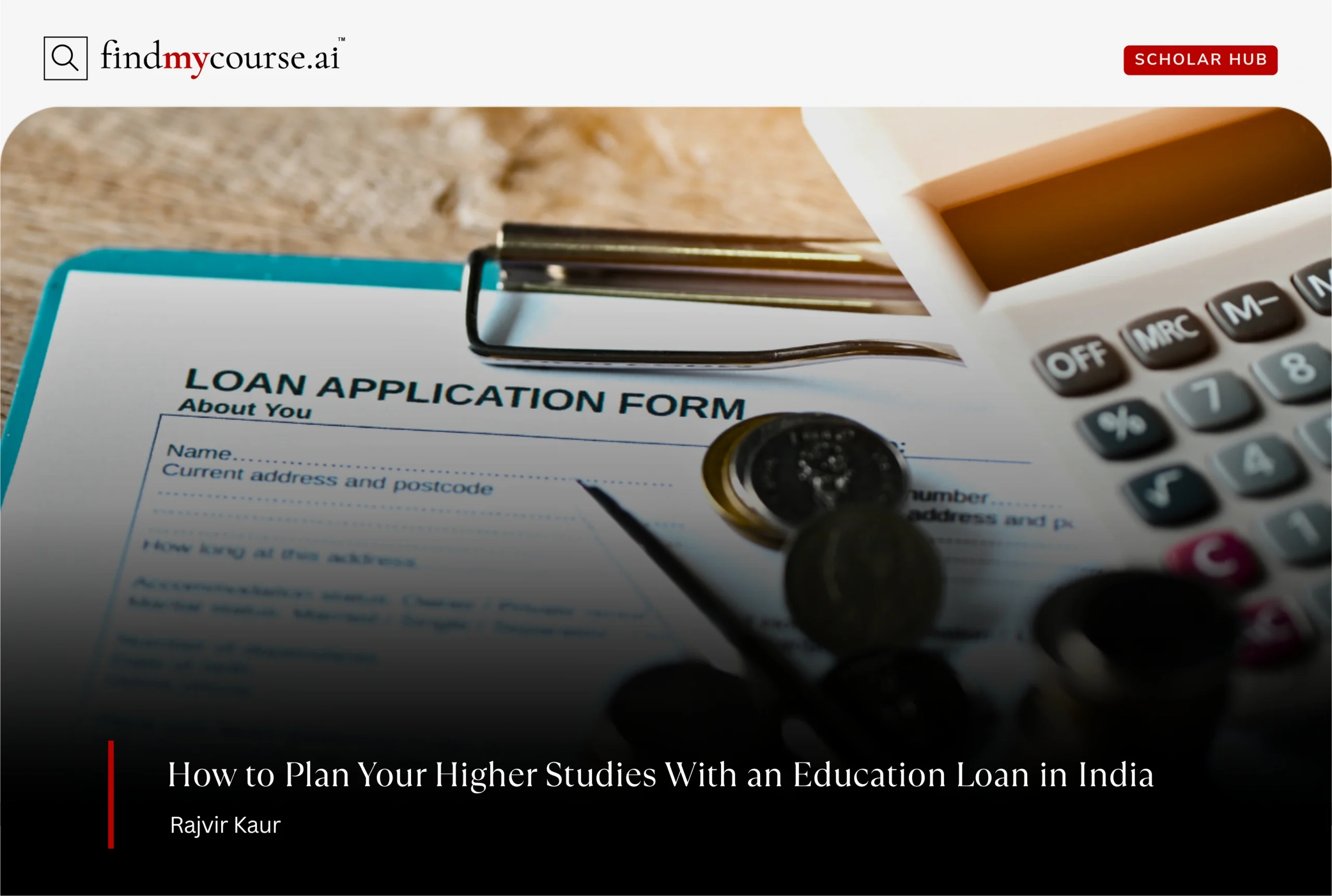
Walking into a top-tier university is a moment that defines your life. However, as we move through 2026, the rising cost of tuition and city living can feel like a giant wall standing between you and your degree. For many ambitious Indian students, taking out an Education Loan in India has shifted from being a “last resort” to a smart, strategic move. Whether you are eyeing a tech degree or exploring unique academic pathways, understanding the modern credit system is your first real lesson in adulting.
Higher education today is more than just a certificate; it is a massive investment in your future self. Consequently, the government and banks have completely redesigned the borrowing process to be student-friendly. In 2026, merit often counts more than your family’s bank balance. This guide will walk you through funding your college education without the usual headache.
How an Education Loan in India Works: The Basics
Before you start scanning documents, you need to know exactly what you are signing up for. An education loan isn’t just for tuition fees. In 2026, most lenders offer “comprehensive packages” that cover books, laptops, hostel charges, and even your bus pass. Banks now divide these into “Domestic” and “Overseas” categories to keep things simple.
The best part about the Indian system is the built-in protection for students. For instance, the “Moratorium Period” is a lifesaver. This is a grace period that lasts for your entire course plus another year. Therefore, you don’t have to worry about monthly payments until you have likely landed a job and started earning.
Why the PM-Vidyalaxmi Scheme is a Total Game Changer
The biggest news for students in 2026 is the expansion of the PM-Vidyalaxmi scheme. This government initiative ensures that no bright student is left behind just because of a lack of funds. It creates a digital ecosystem where you can apply to dozens of banks through one single window.
| Feature | PM-Vidyalaxmi Details (2026) |
| No-Collateral Limit | Up to ₹7.5 Lakh (Standard) / More for Top Colleges |
| Interest Subsidy | 3% off for family income up to ₹8 Lakh/year |
| Safety Net | Supported by the Credit Guarantee Fund (CGFEL) |
| Application | 100% Online via a unified portal |
Moreover, if your family income is below ₹4.5 Lakh, the Central Sector Interest Subsidy (CSIS) is still a major pillar of support. Under this, the government pays your interest while you are still studying. Consequently, the actual debt you carry after graduation becomes much lighter and easier to manage.
Interest Rates and Lenders for an Education Loan in India
Picking a bank is just as important as picking a college. In 2026, you have three main choices: Public Sector Banks (PSBs), Private Banks, and NBFCs. Each one offers something different depending on your grades and where you plan to study.
Public Banks: The Reliable Foundation
Public sector banks like SBI or Bank of Baroda remain the top choice for students prioritizing low costs. They offer the most competitive rates, typically ranging from 8.15% to 10.50%. Additionally, female students benefit from a 0.50% interest concession, making their academic journey even more affordable and accessible.
Private Lenders: Speed and Modern Flexibility
Private banks and NBFCs specialize in lightning-fast approvals and flexible terms. Because these lenders use advanced AI to assess your future earning potential, they often provide unsecured loans for top-tier courses. While their rates might be slightly higher, their digital-first approach ensures you get funded without the wait.
Collateral vs. Non-Collateral: Breaking It Down
A big fear for graduates is the idea of “security” or “collateral.” However, the 2026 market is much kinder to those who don’t own property. Loans are generally split into three simple buckets based on what you need to show the bank:
| Security Type | Loan Amount & Coverage | Key Requirements |
| Zero Collateral | Up to ₹7.5 Lakh (Standard) or ₹40 Lakh+ (Premier) | No assets needed; based on merit and the prestige of institutes like IITs or IIMs. |
| Partial Security | Mid-range amounts (typically above ₹7.5 Lakh to ₹20 Lakh) | Requires a third-party guarantee, usually from a relative with a steady, verifiable income. |
| Full Collateral | High-value loans or specialized/risky academic courses | Requires pledging physical assets like property, gold, or fixed deposits to secure lower interest rates. |
Therefore, your first move should be to see if your college is on the bank’s “Prime List.” If it is, you can likely skip the collateral talk entirely.
Applying for an Education Loan in India: Your Step-by-Step Checklist
The days of standing in long queues with piles of paper are over. In 2026, the process is mostly “Phygital”—you apply online and only visit the bank for the final handshake. To keep things moving smoothly, follow this simple path:
- Step 1: Get the Offer: You can’t get a loan without an official admission letter or a rank card from an entrance exam.
- Step 2: Collect Your Docs: Have your Aadhaar, PAN, and your parent’s last 6 months of bank statements ready in PDF format.
- Step 3: Use the Portal: Sign up on the Vidya Lakshmi or PM-Vidyalaxmi site. This lets you apply to three different banks at once so you can compare offers.
- Step 4: Get Approved: Banks review your profile digitally. In 2026, many students get an “In-principle” approval letter in just 48 hours.
- Step 5: Money Transfer: Once you sign, the bank sends the tuition fee directly to your college. Any extra money for books or living costs is usually put onto a student debit card.
Tax Breaks and Smart Ways to Pay Back
An Education Loan in India is actually a secret weapon for saving on taxes. Under Section 80E of the Income Tax Act, all the interest you pay on your loan can be deducted from your taxable income. This benefit lasts for 8 years. Consequently, this lowers the “real” cost of your loan significantly if you or your parents are in a high tax bracket.
Furthermore, try to pay the “Simple Interest” while you are still in college. Even if you only pay a few thousand rupees a month, it prevents the interest from piling up and being added to your total debt. This one small habit can save you a massive amount of money by the time you graduate.
Common Mistakes to Watch Out For
While the 2026 borrowing landscape is more transparent than ever, several hidden traps can still derail your financial future if you aren’t vigilant during the application phase.
- The Processing Fee Trap: While many public banks don’t charge this for Indian colleges, private lenders might ask for 1%. Always ask for the “Total Cost” before you say yes.
- Salary Overestimation: Be honest about your starting pay. Your EMI should not exceed 35% of your monthly income. Therefore, use a loan calculator to project your future life.
- The Insurance Upsell: Lenders often bundle life insurance with your loan. These premiums are usually added to your principal, meaning you pay interest on your insurance too.
- Prepayment Penalties: Some lenders charge you for paying off your debt early. Consequently, always choose banks that offer zero prepayment fees.
Final Thoughts
As we look at the 2026 education scene, the walls are finally coming down. An Education Loan in India is no longer a burden; it is a bridge. It’s a way for you to take control of your life and attend the best schools without putting your family under financial pressure.
By using government subsidies and digital tools, you can fund your dreams with total confidence. The paperwork might look scary at first, but it is just a small hurdle on your way to greatness. Your education is the one thing no one can ever take from you—so invest in it wisely, and the rewards will follow you forever.